

What caused the 2019 TPC explosion? New report from Chemical Safety Board details 6,000 gallon butadiene leak
What caused the 2019 TPC explosion? New report from Chemical Safety Board details 6,000 gallon butadiene leak
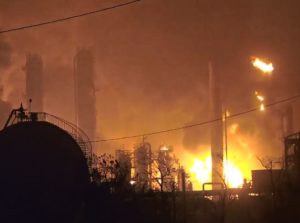
In 50 seconds, about 6,000 gallons of liquid vapor, mostly butadiene, escaped a processing tower at the TPC plant in Port Neches. The explosion was 2 minutes later.
New information is being released about the explosion at the TPC plant in 2019.
The Chemical Safety Board released a new 13-page report detailing the timeline and what led up to the TPC explosion.
Nearly a year later, an attorney is calling this report a step forward.
Federal officials said about 6,000 gallons of liquid vapor, mostly butadiene escape one of the processing towers at the TPC plant in Port Neches. Two minutes later, the plant was on fire.
While the investigation into the explosion is not over, the report summarizes what happened before and after the explosion.
Once the investigation comes to an end, TPC will take actions to address any of the Chemical Safety Board’s concerns, a TPC spokesperson said in a statement.
“By and large, I think it’s what we expected,” Attorney Eric Newell said. Newell is an attorney with Brent Coon and Associates in Beaumont.
He said this CSB report confirmed what he and others have already been suspecting.
“One of the main things that we were gonna be looking at early one was the popcorning in the pipes,” Newell said.
The report discusses something called popcorn polymer, which can form in equipment when oxygen and butadiene react.
Eight days before the explosion, TPC installed temporary filters to catch any popcorn polymer chunks, according to the report.
“So the question that we’re going to be asking is, did they take steps to prevent it?” Newell said. “There are some additives that they can put in there that could have limited the popcorning.”
“While the CSB has been conducting its investigation, TPC already has begun implementing a comprehensive program to review its systems for identifying and mitigating butadiene hazards,” TPC spokesperson Sara Cronin said in an emailed statement Friday afternoon.
There are still many questions, but this report is a step forward, Newell said.
“It’s just a good starting point that confirms some of the suspicions that we had initially,” he said.
search
our offices
FROM THE BLOG
Common Causes of Refinery Explosions and How to Hold Companies Accountable
Refinery Explosions Are Increasing: What Workers and Families Need to Know Oil refinery accidents are becoming more frequent, more deadly, and more costly for the workers and families caught in their aftermath. Petroleum and petrochemical refineries are complex, high-pressure environments where a single equipment failure, procedural lapse, or ignored safety warning can trigger catastrophic explosions,…
Railroad Worker Rights: When FELA Claims Are Better Than Workers’ Compensation
You Were Hurt Working on the Railroad—And You’re Being Told to File Workers’ Comp If you were injured working along rail lines in Houston, Fort Worth, San Antonio, or across freight corridors stretching through Harris and Tarrant Counties, you may have been told to file for workers’ compensation. While that sounds standard, railroad injury cases…
How Long Do I Have to File a Personal Injury Lawsuit in Texas? Statute of Limitations Explained
You’re Injured, The Bills Are Piling Up, And You’re Terrified You’ll Miss The Deadline After a crash, fall, workplace incident, or other serious accident, it’s common to feel stuck in survival mode between doctor visits, missed work, insurance calls, and pain that doesn’t let you think straight. The problem is that Texas doesn’t pause the…