

Federal report analyzes possible cause of TPC explosion amid litigation
Federal report analyzes possible cause of TPC explosion amid litigation
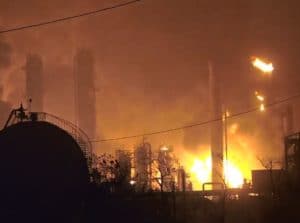
One year after the explosions, litigation is in early stages, with pre-trial hearings happening jointly in Orange County, which allows lawyers on both sides to talk about logistics.
This week, TPC Group said the company has settled more than 5,000 homeowner claims under the voluntary claims program and reimbursed more than 18,800 residents for evacuation expenses.
What caused the TPC explosion? The questions have gone unanswered, but a federal report released last month offered crucial clues about what went wrong last year.
The U.S. Chemical Safety Board released a 13-page report detailing the timeline of what led up to the TPC explosion. The report does not state the root cause, but it helps explain what happened.
After the TPC explosions unleashed chaos and confusion in Mid County one year ago, federal officials now have a better idea of what went wrong.
Abut 6,000 gallons of liquid vapor, mostly butadiene, escaped from one of the processing towers at the TPC Group plant in Port Neches. Then two minutes later, the plant was on fire.
Attorney Eric Newell with Brent Coon and Associates is representing victims of the TPC explosion.
“One of the main things that we were gonna be looking at early on was the popcorning in the pipes,” he said last month when the report was initially released.
Industrial workers are familiar with the term popcorning, which is when popcorn polymers form in equipment from oxygen and butadiene reacting.
Eight days before the explosion, TPC Group installed temporary filters to catch any popcorn polymer chunks, the report stated.
TPC Group maintains it is too early to know the exact cause.
However, the facility in Port Neches also had a history of air quality violations, according to the EPA. TPC Group was fined $275,000 over the past 10 years.
In one case, state regulators cited corrosion, which was an issue mentioned in several violations, on a butadiene transfer line as the source of a leak.
The TPC Group plant was also non-compliant with the Federal Clean Air Act in every quarter since January 2017.
search
our offices
FROM THE BLOG
Rideshare Accident Liability: Who Pays When an Uber or Lyft Driver Crashes?
Rideshare Accident Liability: Who Pays When an Uber or Lyft Driver Crashes? Rideshare accidents can turn your life upside down in an instant. Medical bills pile up, insurance companies start calling, and you are left wondering who is actually responsible for what happened. Uber and Lyft accidents are legally complex, involving multiple insurance policies, driver…
Common Causes of Refinery Explosions and How to Hold Companies Accountable
Refinery Explosions Are Increasing: What Workers and Families Need to Know Oil refinery accidents are becoming more frequent, more deadly, and more costly for the workers and families caught in their aftermath. Petroleum and petrochemical refineries are complex, high-pressure environments where a single equipment failure, procedural lapse, or ignored safety warning can trigger catastrophic explosions,…
Railroad Worker Rights: When FELA Claims Are Better Than Workers’ Compensation
You Were Hurt Working on the Railroad—And You’re Being Told to File Workers’ Comp If you were injured working along rail lines in Houston, Fort Worth, San Antonio, or across freight corridors stretching through Harris and Tarrant Counties, you may have been told to file for workers’ compensation. While that sounds standard, railroad injury cases…