

Texas City BP explosion attorney hasn’t seen “any change” in industry regulation
Texas City BP explosion attorney hasn’t seen “any change” in industry regulation
Sunday marks 20 years since an isomerization unit explosion at what was BP’s Texas City oil refinery killed 15 people and injured about 180 others, resulting in one of the deadliest refinery explosions in the country’s history.
Beaumont Attorney Brent Coon represented many of those injured in the 2005 blasts, including Eva Rowe, whose mother and father James and Linda Rowe were killed in the explosion.
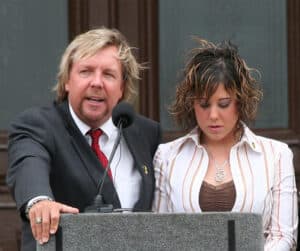
Rowe’s settlement centered on a promise of change, including a pledge from BP to improve safety to release documents related to safety practices and to make contributions of more than $30 million to various organizations.
Coon acknowledged signs of progress at the five-year commemoration of the explosion, saying “the industry has moved toward an increased appreciation for process safety.”
But as the 20-year milestone approaches, he didn’t mince words.
“No, I don’t think there’s been any change,” Coon said. “I think the drivers to an erosion of safety concerns in the petrochemical industry are multifaceted.
“It stems first from, at the end of the day, an improper moral compass. The industry is led by a corporate culture of profitability, first and foremost, over all other concerns, including safety.”
A spokesperson for BP didn’t provide comment by press time.
Another main driver is lack of sufficient oversight and regulation, Coon said — something Rowe’s settlement meant to address.
“The industry is, generally speaking, a deregulated industry,” Coon said. “While there’s lip service to heightened regulation to the petrochemical industry, it is understaffed, and most of the things they do in the industry are focused on general personal safety as opposed to Process Safety Management.”
Process Safety Management is an Occupational Safety and Health Administration standard that requires employers to identify, evaluate and control the hazards associated with the highly hazardous chemicals used in their processes.
A 2005 report issued by the U.S. Chemical Safety and Hazard Investigation Board said officials with BP’s Texas City refinery were fully aware of problems with a troubled unit at the center of the fatal blast.
Two years later, federal investigators concluded the 2005 explosion could have been avoided if the company’s upper management had acted sooner to improve safety measures and overall organization.
“OSHA does very little with respect to making sure plants refineries are safe from a infrastructural standpoint,” Coon said. “It is mainly going out making sure that employees that are working out there are wearing their hard hats, have steel-toed boots, are using their safety attachments when they’re working on scaffolding, things like that. Those are all superficial elements of safety.
“At the end of the day, the major catastrophic incidents are not a result of a lack of accountability by individual employees, it’s on infrastructural collapses.”
search
our offices
FROM THE BLOG
Railroad Worker Rights: When FELA Claims Are Better Than Workers’ Compensation
You Were Hurt Working on the Railroad—And You’re Being Told to File Workers’ Comp If you were injured working along rail lines in Houston, Fort Worth, San Antonio, or across freight corridors stretching through Harris and Tarrant Counties, you may have been told to file for workers’ compensation. While that sounds standard, railroad injury cases…
How Long Do I Have to File a Personal Injury Lawsuit in Texas? Statute of Limitations Explained
You’re Injured, The Bills Are Piling Up, And You’re Terrified You’ll Miss The Deadline After a crash, fall, workplace incident, or other serious accident, it’s common to feel stuck in survival mode between doctor visits, missed work, insurance calls, and pain that doesn’t let you think straight. The problem is that Texas doesn’t pause the…
Understanding Comparative Negligence in Texas Personal Injury Claims
Understanding Why Fault Matters in Texas Personal Injury Cases In Texas, who is at fault—and by how much—plays a central role in whether an injured person can recover compensation. From crashes along I-10 in Houston, incidents on I-35 through Austin, or accidents on local roads in Plano, Beaumont, or McAllen, fault is not always clear-cut.…