

Common Causes of Refinery Explosions and How to Hold Companies Accountable
Common Causes of Refinery Explosions and How to Hold Companies Accountable
Refinery Explosions Are Increasing: What Workers and Families Need to Know
Oil refinery accidents are becoming more frequent, more deadly, and more costly for the workers and families caught in their aftermath. Petroleum and petrochemical refineries are complex, high-pressure environments where a single equipment failure, procedural lapse, or ignored safety warning can trigger catastrophic explosions, fires, and chemical releases. At Brent Coon & Associates, we have spent decades representing victims of oil refinery accidents, process safety failures, and corporate negligence across the country.
Working with an experienced Beaumont workplace injury lawyer from our firm gives victims a clear advantage when facing large refining and petrochemical companies with significant legal resources. We know how these incidents happen, who is responsible, and how to hold negligent companies accountable. Whether the accident occurred at a Texas City facility, the Ras Tanura refinery, or anywhere in between, our firm is committed to helping injured workers and grieving families pursue the justice and compensation they deserve.
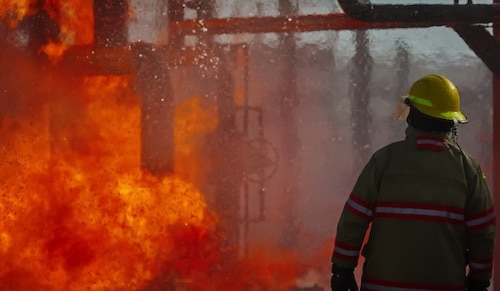
The Rising Threat of Oil Refinery Accidents
Oil refinery accidents are increasing, putting workers, communities, and the environment at serious risk.
A Growing Problem in the Industry
Petroleum and petrochemical refineries are seeing more fires, explosions, and chemical releases each year. Major U.S. refining hubs in Texas and Louisiana reported a threefold increase in serious incidents between 2018 and 2022. The refining and petrochemical industries face mounting pressure to address safety gaps before more lives are lost.
The Real Cost of Refinery Explosions
Refinery explosions cause deaths, serious injuries, and long-term health consequences for nearby workers and communities. Victims face mounting medical bills, lost wages, and property damage. Families are often left without answers or financial support after an oil refinery accident.
Key Questions Companies Must Answer
When an oil refinery accident occurs, two questions matter most: what caused it, and could it have been prevented? In many cases, the answer points to improper maintenance, inadequate training, or ignored safety warnings. Workers and families deserve clear answers and full accountability.
What Victims Need to Know
Understanding the causes of refinery explosions helps victims protect their rights. Process safety management failures, malfunctioning equipment, and poor corporate safety culture are common factors in these incidents. Knowing these causes is the first step toward building a personal injury claim and pursuing fair compensation.
Common Causes of Refinery Explosions
Refinery explosions rarely happen without warning signs, and most are traced back to preventable failures in equipment, training, or safety culture.
Malfunctioning Equipment and Mechanical Failures
Faulty valves, pumps, compressors, and pressure relief systems are among the leading causes of oil refinery accidents. Malfunctioning equipment often fails without warning when preventive maintenance is delayed or skipped entirely. Aging process equipment, including atmospheric blowdown drums and heavy machinery, requires regular inspection to remain safe.
Corrosion, Overfilling, and Pressure Failures
Corroded pipes and overfilled vessels create dangerous conditions that can release flammable vapors into surrounding areas. BP’s Texas City refinery disaster demonstrated how overfilling process vessels combined with improper maintenance can trigger deadly explosions. Multiple relief valves and pressure-relieving systems must be tested regularly to prevent catastrophic failures.
Inadequate Training and Human Error
Poorly trained workers may mislabel chemicals, open incorrect valves, or mishandle process units under time pressure. Human factors such as fatigue, distraction, and organizational pressure increase the likelihood of procedural lapses. Inadequate training remains one of the most preventable causes of oil refinery accidents.
Gas Leaks and Ignition Sources
Undetected gas leaks can form explosive vapor clouds that ignite from sparks, hot surfaces, or nearby open flames. Flammable vapors and flammable discharges spread quickly through interconnected process plants, triggering secondary explosions. Early leak detection and safe placement of process units are critical to preventing ignition.
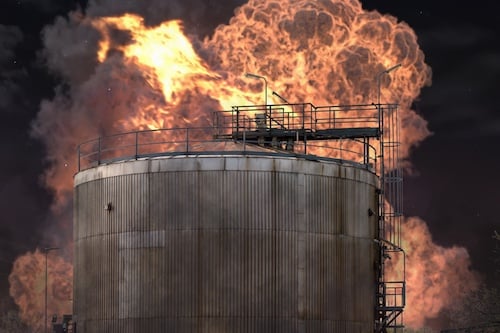
Process Safety Management (PSM): Key to Prevention and Accountability
Process safety management is the foundation of safe refinery operations, providing a structured framework to identify hazards, prevent accidents, and protect workers.
What Process Safety Management Requires
Process safety management is an OSHA-mandated framework that governs the safe operation of oil refineries and petrochemical facilities. It requires accurate documentation of process equipment, hazardous chemicals, and engineering practices through Process Safety Information (PSI). Companies that fail to meet PSM standards expose workers and nearby communities to serious and avoidable risk.
Process Hazard Analysis and Risk Assessment
Process Hazard Analysis (PHA) is a systematic review of potential hazards within refinery operations. It examines human factors, prior incidents, malfunctioning equipment, and process unit interactions to identify where failures are most likely to occur. Regular risk assessment helps companies address problems before they lead to explosions, fires, or chemical releases.
Mechanical Integrity and Preventive Maintenance
Mechanical integrity programs require regular inspection and testing of pressure vessels, multiple relief valves, and emergency shutdown equipment. Preventive maintenance schedules must cover all critical process equipment, including disposal drums, compressors, and pressure-relieving systems. Deferred maintenance is one of the most common factors identified in oil refinery accident investigations.
Operating Procedures and Safety Performance Indicators
Clear and updated operating procedures give workers the guidance they need to handle both standard and unexpected situations safely. Safety performance indicators track incident trends, near misses, and equipment failures to help companies detect patterns before accidents occur. Strong procedure compliance and consistent performance monitoring are direct measures of a company’s commitment to process safety.
Corporate Safety Culture and Accountability
A strong corporate safety culture encourages workers to report hazards without fear of retaliation. Companies with poor safety culture often suppress incident reports, delay maintenance, and underinvest in adequate training. Independent panel reviews and regulatory oversight help enforce accountability when companies fall short of process safety management requirements.
Regulatory Updates and Global Best Practices
Washington and Cal/OSHA have introduced updated performance-based PSM requirements that raise the standard for refinery safety compliance. Lessons from major Israeli gas fields, the Ras Tanura refinery, and other Gulf country operations reinforce the need for site-specific risk assessments. International best practices in process safety continue to evolve as refining and petrochemical industries face new operational and geopolitical challenges.
How to Hold Companies Accountable: Legal Steps for Victims
Workers and families affected by oil refinery accidents have legal options, and taking the right steps early can make a significant difference in the outcome of a personal injury claim.
Linking Injuries to Company Negligence
To build a successful case, victims must connect their injuries directly to specific failures by the company. Improper maintenance, PSM violations, inadequate training, and ignored safety warnings all constitute grounds for legal action. Documenting the relationship between these failures and the resulting harm is the foundation of any oil refinery accident claim.
Gathering Evidence After a Refinery Explosion
Strong evidence is essential to holding companies accountable after a refinery explosion. Victims should collect medical records, incident reports, OSHA findings, Chemical Safety Board reports, and maintenance logs as early as possible. Photos, witness statements, and safety performance data from the refinery can further support a personal injury claim.
Seeking Immediate Medical Attention
Getting medical treatment immediately after a refinery accident protects both health and legal standing. Medical bills, treatment records, and physician reports create a documented trail that connects injuries to the incident. Delaying medical care can weaken a claim and give companies grounds to dispute the severity of injuries.
Reporting the Incident to Authorities
Victims should file formal complaints with OSHA or the Chemical Safety Board as soon as possible after an oil refinery accident. Official investigations generate independent findings that can serve as powerful evidence in legal proceedings. Reporting also triggers regulatory scrutiny that may uncover additional safety violations by the company.
Consulting an Experienced Law Firm
Securing a free consultation with a law firm experienced in oil refinery accidents and personal injury claims is a critical early step. An experienced attorney can evaluate the strength of a case, identify liable parties, and advise on the applicable statute of limitations. Legal representation levels the playing field against large refining and petrochemical companies with significant resources.
Pursuing Compensation for Losses
Victims of refinery explosions can pursue compensation for medical bills, lost wages, property damage, pain and suffering, and wrongful death where applicable. Safety performance indicators, final reports from independent panels, and root cause analyses can all be used as supporting evidence in court. Legal action not only recovers financial losses but also drives organizational changes that improve safety for all workers in the industry.

Contact Brent Coon & Associates for a Free Consultation!
Refinery explosions can change lives in an instant, but you do not have to face the aftermath alone. Our team at Brent Coon & Associates has the experience, resources, and determination to take on negligent oil and gas companies and fight for the compensation you deserve. Whether you are dealing with medical bills, lost wages, property damage, or the loss of a loved one, we are ready to help you take the next step.
Contact us at [phone] for a free consultation today!
search
our offices
FROM THE BLOG
Common Causes of Refinery Explosions and How to Hold Companies Accountable
Refinery Explosions Are Increasing: What Workers and Families Need to Know Oil refinery accidents are becoming more frequent, more deadly, and more costly for the workers and families caught in their aftermath. Petroleum and petrochemical refineries are complex, high-pressure environments where a single equipment failure, procedural lapse, or ignored safety warning can trigger catastrophic explosions,…
Railroad Worker Rights: When FELA Claims Are Better Than Workers’ Compensation
You Were Hurt Working on the Railroad—And You’re Being Told to File Workers’ Comp If you were injured working along rail lines in Houston, Fort Worth, San Antonio, or across freight corridors stretching through Harris and Tarrant Counties, you may have been told to file for workers’ compensation. While that sounds standard, railroad injury cases…
How Long Do I Have to File a Personal Injury Lawsuit in Texas? Statute of Limitations Explained
You’re Injured, The Bills Are Piling Up, And You’re Terrified You’ll Miss The Deadline After a crash, fall, workplace incident, or other serious accident, it’s common to feel stuck in survival mode between doctor visits, missed work, insurance calls, and pain that doesn’t let you think straight. The problem is that Texas doesn’t pause the…